
Discovering the Rich Heritage and Future of Sport Aviation Events
By Declan Marchetti · · 4 min read
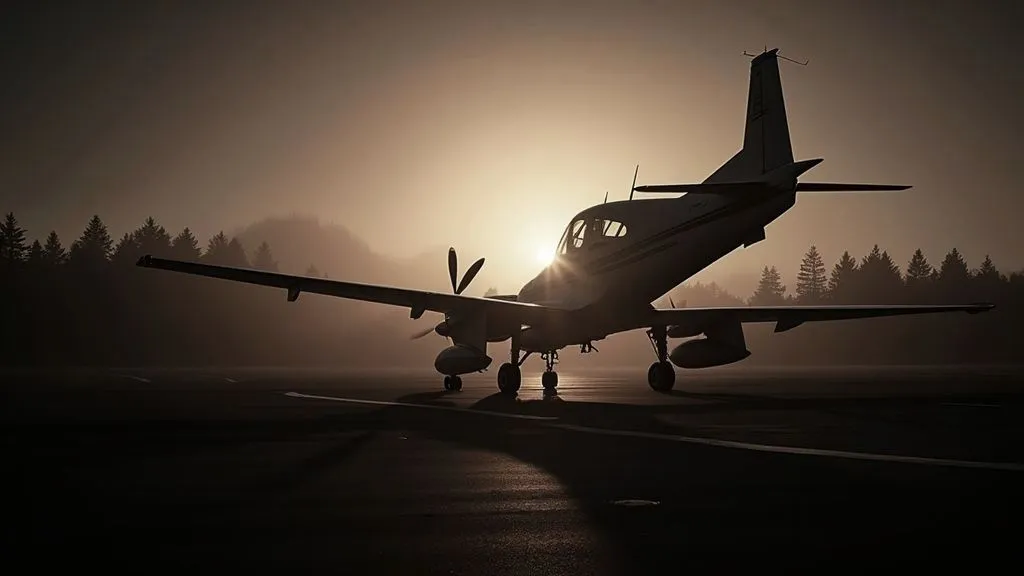
Sport aviation has long captured the imagination of flying enthusiasts. From the exhilarating sound of engines roaring to the sight of colorful aircraft soaring through the sky, these events bring together a community of individuals united by their passion for flight. The world of sport aviation goes beyond mere spectacle; it represents a rich tapestry of history, innovation, and camaraderie that continues to evolve.
The Historical Context of Sport Aviation
Sport aviation hasn’t always enjoyed the prominent status it has today. Its roots trace back to the early 20th century when aviation was still a burgeoning field. The first organized flying events were often more about exploration and experimentation than competition. Early aviators pushed the boundaries of technology and human endurance, laying the groundwork for the sport aviation we know now.
As the decades progressed, the establishment of governing bodies such as the Experimental Aircraft Association (EAA) in 1953 provided a framework for the sport. Events began to emerge that highlighted not only the aircraft but also the skills of the pilots. Racing, aerobatics, and even precision flying became spectacles that attracted larger audiences.
The Evolution of Sport Aviation Events
Modern sport aviation events take on various forms, each celebrating unique aspects of flying. Airshows, fly-ins, and competitions serve as platforms for showcasing aircraft, pilot skill, and innovation. These gatherings allow enthusiasts to connect, share knowledge, and inspire one another.
Airshows: A Feast for the Senses
Airshows are perhaps the most public-facing aspect of sport aviation. These events often feature thrilling aerobatic displays, unique aircraft demonstrations, and opportunities for attendees to meet the pilots. The atmosphere is electric, with families, aviation fans, and curious newcomers all coming together to experience the magic of flight.
Within airshows, you can find everything from classic warbirds to modern experimental aircraft. The mix of history and innovation speaks to the evolution of aviation technology, and many attendees relish the chance to get up close to these magnificent machines.
Fly-Ins: Gathering of the Enthusiasts
Fly-ins offer a more intimate experience for participants. Pilots travel from far and wide to gather at a chosen location, often a regional airport or airstrip. The sense of community at fly-ins is palpable. Here, conversations flow freely, knowledge is exchanged, and friendships are forged.
These events often feature workshops, seminars, and forums. Participants can learn about various topics, such as aircraft maintenance, piloting techniques, and the latest in aviation technology. Fly-ins are an opportunity for enthusiasts to immerse themselves in the culture of sport aviation.
Competitions: Testing Skills and Ingenuity
Competitions add an element of excitement and challenge to the sport. Events like aerobatic contests, cross-country races, and precision landing challenges test the skills of pilots while showcasing their dedication to their craft. Athletes push themselves and their machines to the limit, competing for glory and recognition.
Judges evaluate performances based on strict criteria, including technique, precision, and creativity. The camaraderie among competitors is palpable, with pilots often sharing tips and encouragement during and after their flights.
The Role of Innovation in Sport Aviation
As technology advances, so does the world of sport aviation. From electric aircraft to cutting-edge materials and design techniques, the future promises a new wave of innovation. The incorporation of sustainable practices is becoming increasingly important, with many enthusiasts focusing on environmentally-friendly flying options.
Events often serve as showcases for these innovations. Pilots and manufacturers are eager to demonstrate the latest advancements in design and technology. Attendees are treated to firsthand experiences of how these developments change the landscape of sport aviation.
Emphasis on Education
Education is a cornerstone of sport aviation events. Whether through formal workshops, hands-on demonstrations, or informal conversations, knowledge sharing is vital. Newcomers and seasoned pilots alike benefit from the wealth of information available at these gatherings.
Many events incorporate an educational track that covers various topics related to safety, aircraft maintenance, and piloting techniques. This focus on education helps cultivate a culture of safety and responsibility, ensuring that the community continues to grow and thrive.
The Community Aspect of Sport Aviation
One of the most cherished aspects of sport aviation is the sense of community it fosters. Participants come from diverse backgrounds, yet they all share a love for aviation. This shared passion transcends differences and creates lasting connections.
In the spirit of this community, many events encourage social interactions. Gatherings, dinners, and informal meet-ups provide opportunities for enthusiasts to network, share stories, and inspire one another. The friendships formed at these events often extend beyond aviation, creating bonds that last a lifetime.
Inspiring the Next Generation
Sport aviation events also play a critical role in inspiring the next generation of aviators. Young people are often drawn to the spectacle of flight, and events provide a platform for showcasing careers in aviation. Programs aimed at youth engagement introduce them to the possibilities in aviation, from piloting to engineering.
Many events feature hands-on activities for kids, allowing them to build model airplanes or participate in flight simulations. By engaging young minds, the sport ensures a continuous influx of new enthusiasts eager to take to the skies.
The Future of Sport Aviation Events
As the sport aviation community continues to grow, the future of events looks promising. Organizers are increasingly focused on inclusivity and sustainability, recognizing the importance of diverse voices in shaping the sport’s trajectory. Innovations in technology and a commitment to environmental stewardship will likely drive the next wave of evolution in sport aviation.